
Compost
Version: Month Day 2026
Attention: Do not use plastic compostable bags. The Municipality’s composting facility uses a natural decomposition process. As a result, compostable plastic bags do not break down properly and may cause equipment malfunctions or blockages.
Compost placed in plastic compostable bags shall not be collected, in accordance with the requirements of the Complexe environnemental Sud de la MRC Vallée-de-la-Gatineau, where we dispose of our composting.
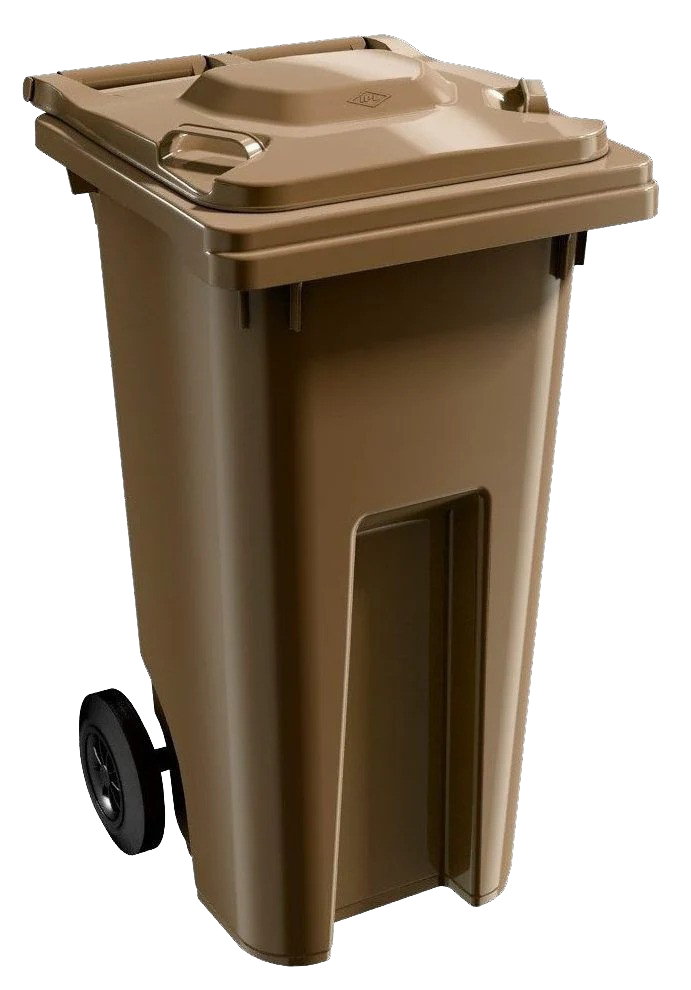
There is no limit on composting. Residents may use the bin provided by the Municipality as well as additional personal bins. If additional bins are required, they may be purchased from the Municipality ($80) or from other authorized retailers.
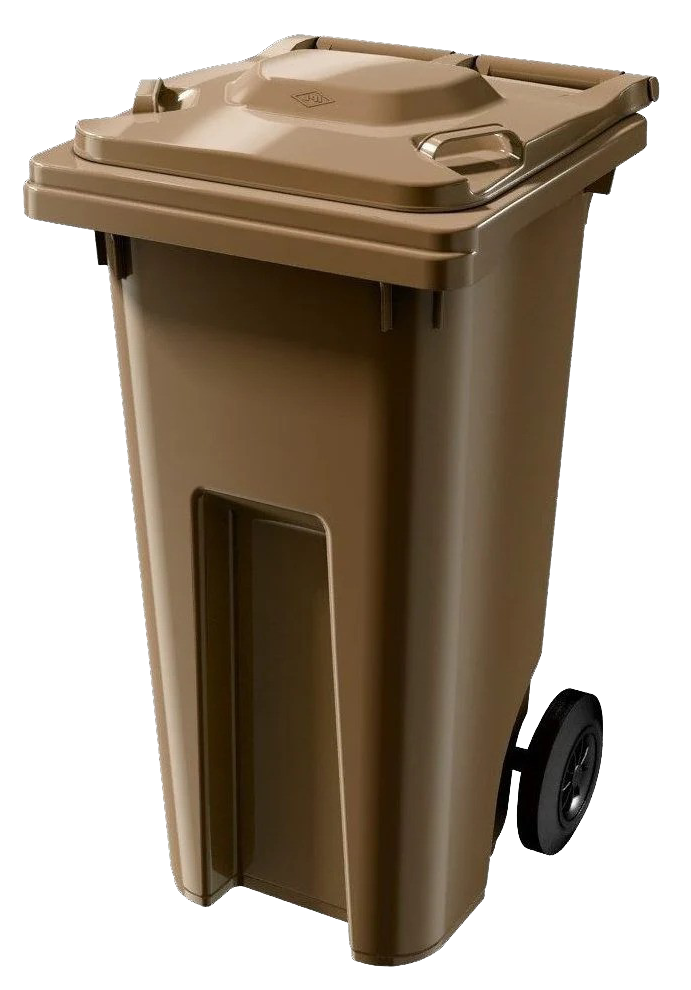
Please note: Only 120-liter brown bins are permitted. All bins must be compatible with the Municipality’s collection system (European grip system).
Attention: It is the responsibility of the resident, homeowner, or ratepayer to clean up any garbage, recycling, or compost that has been scattered by animals or birds.
Reason to Compost?
The cost of composting is significantly lower than the cost of garbage disposal. Composting costs approximately $90 per tonne, whereas garbage disposal costs approximately $300 per tonne. This helps keep our taxes lower by reducing the amount of our municipal budget allocated to waste removal.
Avoid Nuisances (Optional: This is at your own discretion)
Put your meal leftovers and/or meat scraps in the freezer, then empty the contents into your brown-bin on the pick-up day. This helps reduce the smell, flies/maggots and keep a cleaner bin.
To minimize bad smells, place your brown-bin out at the curbside/road for every pick-up, even if it’s not very full. Store your brown-bin in the shade, this helps reduce heat. You can also sprinkle it with baking soda.
If you wish to wash out your brown-bin, use soap and water / vinegar and baking soda. (Do not use Bleach.)
To ward off pests, you can lock the lid with straps (bungie cords with zip-ties).
If however you use different methods, remember it must be easily enough to remove with winter/work gloves - If our waste collectors can not easily remove the locking device, your bin will be left. (Example: Frozen metal clips holding the lid closed - your bin will not be picked up)
Eco Centers
Here is a list of locations that accept materials that the municipality does not.
Some services require payment, please research the location that can best service your situation.
11, chemin Brundtland
Kazabazua, QC J0X 1X0Phone: (819) 463-3241 ext:259
-
Large waste items
Overzied large waste
(Example: Boats)Recyclable materials [Free]
Compostable waste
Natural wood and branches without paint, stain or glue
Concrete, reinforced or non-reinforced
Asphalt Roofing shingles
Construction Materials
Used tires (Without Rims) [Free]
Tires under 48.5 InchesOversied tires, tires on rims, ripped or cut tires, rubber tracks
Tires Over 48.5 InchesHazardous household waste [Free]
Electronic waste [Free]
Refrigeration appliances [Free]
Metal [Free]
Agricultural plastics, feed bags, baler twine [Free]
-
Contaminated soil
Waste generated outside Quebec
Animal carcasses
Biomedical waste
Sludge, manure, and liquid manure
Radioactive waste
PCBs and cyanides
Ammunition and flares
152, chemin de l’Industrie Nord
Litchfield, QC J0X 1K0Phone: (819) 647-3235
-
Standard construction materials: gypsum, insulation materials except asbestos, composite floor tiles and floor coverings, ceramic and terracotta tiles, bricks, stone and asphalt waste, steel beams, aluminium mouldings, recyclable electrical components free of BPCs
Asphalt shingles
concrete / masonry / stone / rock
copper, brass, iron, aluminium, stainless steel and other metals
uncontaminated wood
framing and structural lumber
gypsum
paperboard
plastic
insulating materials
electrical equipment
carpeting
-
mattresses
treated wood from street furniture
batteries and storage cells
oils and oil tanks
pastes
solvents
packaging and containers soiled by hazardous or toxic substances
waste from healthcare activities involving risk of infection
hazardous household waste
inflammable materials
explosives
radioactive waste
C384 7th Concession
Clarendon, QC J0X 2Y0Phone: (819) 647-2670
No List of Accepted or Non Accepted Materials Given
(Unknown)
Prohibited items
In the Compost Bin
❌ NO PLASTIC! (Recycling)
✖ No Plastic Bags
⨯ Garbage bags
⨯ Ziploc bags
⨯ Recycling bags
⨯ Material reusable bags from stores.
⨯ Etc…
✖ No Plastic Containers
✖ No Plastic Lids / Straws
⨯ from takeout cups (coffee cups, soda cups etc..)
❌ NO GLASS CONTAINERS! (Recycling)
❌ NO HUMAN WASTE!
✖ Under no circumstances is human waste permitted in compost bins or garbage. This presents a serious safety hazard to municipal staff.
✖ Non-compliance will result in the suspension of access to municipal waste collection services.
❌ NO DOG FECES IN PLASTIC BAGS. (Garbage)
✖ Dog waste may be placed in the compost, only if it is not contained in a plastic bag. If dog waste is collected using a plastic bag, it must be disposed of in the garbage.
❌ NO MEDICATION (Pharmacy Only) [Free Service]
✖ All medications should be taken to your local pharmacy for proper disposal. Do not dispose of medications in household garbage.
▸ If your pharmacy delivers your medication to you, ask if they could take the unused meds back
✖ No Syringes
⨯ This is detrimental to the health and safety of municipal staff.
❌ NO LARGE NATURAL WOODS
✖ Branches must not exceed 3 inches (8 cm) in diameter and 48 inches (122 cm) in length.
▸ Wood or branches exceeding 3 inches (8* cm) in diameter may be taken to an ECO-Center or burned in a residential fire pit, provided no fire ban is in effect.
▸ If a fire ban is in effect, you must wait until it has been lifted before proceeding. Failure to comply may result in enforcement action by the appropriate regulatory authorities. Please help ensure the safety of our town and forests.
❌ NO TREATED WOODS (Eco Centers Only - We do not accept these materials.)
✖ Lumber is considered construction material, which needs to be disposed of at an ECO Center
✖ Pressure-Treated Wood
⨯ Lumber treated with preservatives (often green or brown tinted) to resist rot and insects.
✖ Pressure-Treated Wood
⨯ Lumber treated with preservatives (often green or brown tinted) to resist rot and insects
✖ Painted Wood
⨯ Old paint may contain lead, and modern paints contain acrylics and chemicals that do not decompose.
✖ Stained or Varnished Wood
⨯ Chemical finishes prevent decomposition and introduce toxic contaminants.
✖ Plywood and Engineered Wood
⨯ Materials like OSB, particleboard, and MDF contain glues, resins, and formaldehyde.
✖ Creosote-Treated Wood
⨯ Railroad ties or treated posts, which are highly toxic.
✖ Wood with Pesticide/Herbicide Residue
⨯ Any wood treated with anti-termite or preservative sprays
✖ Black Walnut Wood
⨯ Contains "juglone," a natural compound that is toxic to many other plants.
❌ NO MOTOR OIL COVERED CARDBOARD: (ECO-Centers Only) [Paid Service]
✖ Cardboard soaked with oil is considered contaminated waste.
✖ Engine oil is classified as a hazardous material because it can:
▸ Leach into soil and groundwater
▸ Pose fire risks
▸ Contaminate other waste streams
➤ When you bring oil-soaked cardboard:
▸ Keep it contained (box, bin, or bag so it doesn’t leak)
▸ Do not mix it with regular garbage
▸ Tell the attendant it’s oil-contaminated material
▹ they will direct you to the correct drop-off area
❌ NO TEXTILES: (Garbage)
✖ Clothes / Jackets / Shoes / Boots.
✖ Life Jackets
✖ Backpacks / Suitcases.
✖ Dish Cloths / Microfiber Cloths.
✖ Etc.
❌ NO COFFEE PODS (Plastic Cup): (Recycling)
✖ Only the paper filter in the pod and the coffee grounds are compostable, The plastic container is not, it is recyclable.
✔ Remove the filter and grounds to the compost bin, then recycle the plastic cup pod.
❌ NO ROTISSERIE CHICKEN CONTAINERS: (Recycling)
➤ Just the chicken leftover carcass and bones are compostable.
▸ The Container is Recyclable after a light rinse.
❌ NO DIAPERS (Garbage)
❌ NO SANITARY PRODUCTS (Garbage)
✖ Toothbrushes
✖ Floss
✖ Tampons
✖ Panty Liners
✖ Sanitary Pads
✖ Period Underwear
✖ etc.
❌ NO URINE PADS (Garbage)
✖ Medical Pads
✖ Animal Training Pads (Puppy pads)
✖ etc.
❌ NO CANS:
➤ Remove all food from the cans to compost, then recycle the can.
❌ NO STYROFOAM:
✖ Cups / Plates
✖ Meat Trays
✖ Take-out Containers
Permitted Items
In the Compost Bin
✔ Cat Litter:
➤ We strongly recommend composting cat litter because it is heavy. As a municipality, we pay significantly less for composting than for garbage disposal.
✔ Animal Bedding:
➤ Bedding from pets such as rabbits, hamsters, guinea pigs etc..
✓ Wood Shavings / Newspaper / Straw etc..
✔ All Foods: (Removed from their packaging)
✓ Nut Shells
✓ Shells: Oyster / Clam / Snail
✓ Breads / Tortillas
✓ Rice
✓ Cereal
✓ Crackers
✓ Chips
✓ All Pastas (Cooked or Dry)
✓ Spices
✓ Herbs
✓ Pizza
✓ Poutine
✓ Cheese
✓ Grains (Oats/Wheat/Barley etc.)
✓ Freezer Burnt Foods (Removed from Plastic Bags/Containers)
✓ Animal Foods (Cat/Dog Food etc..)
✓ Old Jams / Jellies (Removed from Containers)
▸ etc.
✔ All Vegetables:
✓ Freezer Burnt Vegetables (Removed from Plastic Bags/Containers)
✓ Canned Vegetables (Removed from Can; Recycle the Can)
✔ All Fruits:
✓ Freezer Burnt Fruits (Removed from Plastic Bags/Containers)
✓ Canned Fruits (Removed from Can; Recycle the Can)
✔ All Meats & Bones:
✓ Canned Meats (Removed from Can; Recycle the Can)
✔ All Fish & Bones:
✓ Canned Fish (Removed from Can; Recycle the Can)
✔ Eggs & Egg Shells
✔ Coffee Filters / Coffee Grounds / Tea Bags
✔ All Pet Fur & Feathers
✔ All Human Hair
✔ All Food Soiled Containers: (Not Including Plastic or Styrofoam)
✓ Greasy Boxes (Food Grease)
✓ Paper/Cardboard containers.
✓ Pizza Boxes
✓ Egg Cartons (Cardboard)
✓ Muffin/Cupcake Liners
✓ Paper Plates
✓ Paper Cups
✓ Paper / Boxboard / Cardboard
▸ etc.
✔ Disposable Paper Products:
✓ Paper Towels
✓ Napkins
✓ Tissues
✓ Toilet Paper
✓ Toilet Paper Rolls
✓ Newspaper
✓ Shredded Paper
✓ Paper Bags
✔ Dryer Lint
✔ Floor Sweepings: (No Garbage / Plastic etc, Organics ONLY)
✓ Example: dirt / sand and dog or pet hair when sweeping your floors.
✔ Household Plants:
✓ House plants and Soil only, Do not throw your plastic containers in the bin.
✓ Organic (Paper/Cardboard) Plant pots can be composted.
✔ Ashes: (Cooled - Hot Coals will melt the plastic bins)
✓ Cold Barbeque Ashes
✓ Cold Fire Ashes
✔ Plant Matter:
✓ Leaves / Pine Needles / Spruce Needs
✓ Flowers
✓ Weeds
✓ Grass Clippings
✔ Wood (See Below)
✓ Branches
✓ Branches must not exceed 3 inches (8 cm) in diameter and 48 inches (122 cm) in length.
✓ Twigs
✓ Hedge Trimmings
✓ Wood Shavings
✓ Untreated Sawdust
✔ Wooden Cutlery / Other:
✓ Wooden Spoons
✓ Wooden Forks
✓ Wooden Knives
✓ Wooden Chopsticks
✓ Wooden Skewers
✓ Popsicle Sticks
✓ Toothpicks
✓ Corks